A joint initiative by IMDH and UNHCR, born from the legacy of the 2024 Nansen Award, aimed at positioning refugees, migrants, and society at large—Brazilians and non-Brazilians alike—as key agents of climate justice.
The Climate and Human Mobility project is a response to the contemporary challenges posed by climate change in Brazil and worldwide. Developed by the Institute for Migration and Human Rights (IMDH) in partnership with the United Nations High Commissioner for Refugees (UNHCR), the initiative seeks to build pathways of hope where previously only urgency existed.
The project adopts an integrative methodology that brings together scientific data, ancestral knowledge, and art-activism practices. Its central objective is to empower and engage communities affected by environmental degradation, enabling refugees and migrants to act as key protagonists in sharing knowledge and experiences, and in advancing, alongside Brazilian society, global socio-environmental transformation in defense of climate justice.
The Nansen Legacy:
Inspiration that Drives Action
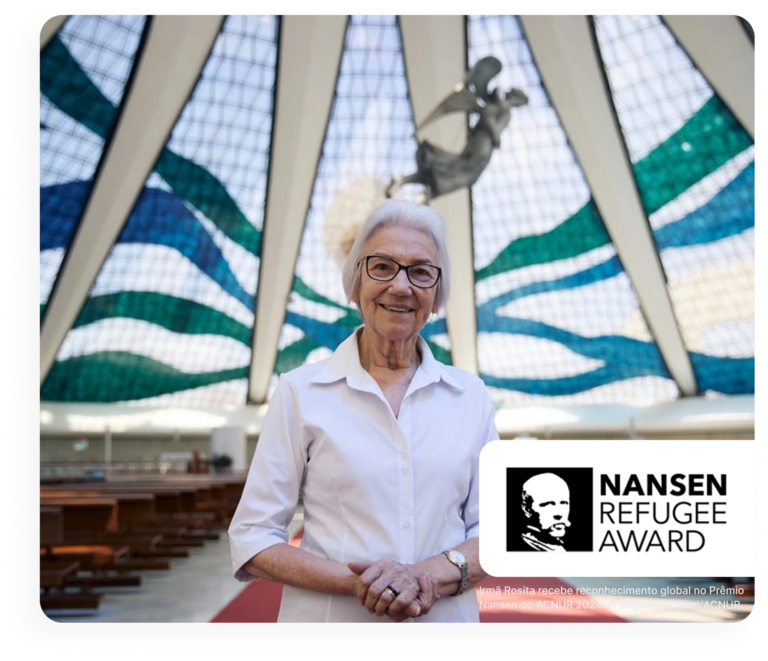
This project is a direct outcome of the international recognition awarded to Sister Rosita Milesi, Director of IMDH, recipient of the 2024 Nansen Global Refugee Award.
Inspired by Sister Rosita’s words in Geneva—“The path is made by walking”, quoting the Spanish poet Antonio Machado —the initiative recognizes that addressing climate crises and forced displacement requires building new pathways. It calls on society to move forward collectively, combining lived experiences and transformative community-based practices.
Our Action Pathways
The project is structured around four strategic and complementary pillars designed to generate tangible and scalable impact:
Capacity-building
Seeds of Change
Pathways
This core pillar focuses on socio-environmental training and mobilization. Activities included the workshops “Pathways to Climate Justice and Human Mobility” conducted in key regions across Brazil, as well as the initiative “Gardens of Refugee and Migrant Childhoods”, aimed at raising awareness among children.
This pillar works to humanize the climate agenda through audiovisual productions and digital content that challenge stigmas and position refugees and migrants as part of the solution.
This pillar bridges academia and communities. In partnership with universities (University of Brasília – UnB and Federal University of Roraima – UFRR), the course “Climate and Human Mobility” is being implemented.
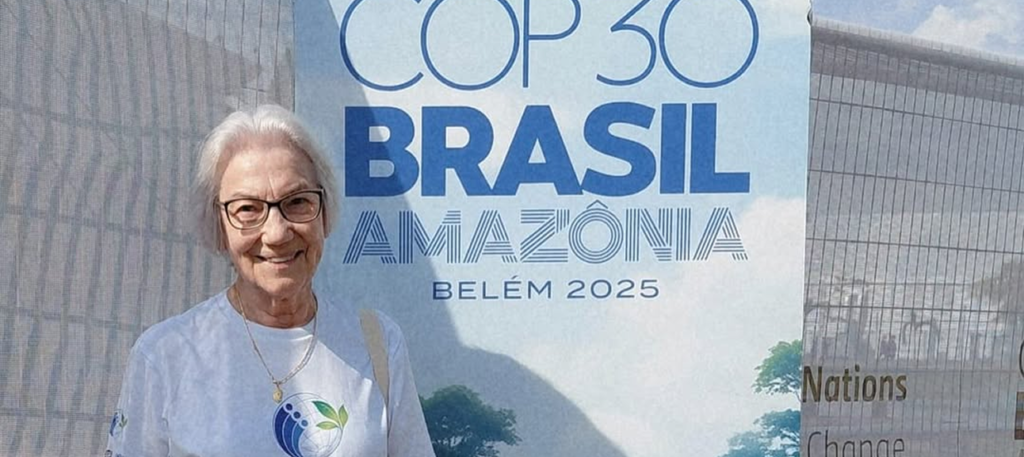
This pillar focuses on the development of public policy proposals, including active participation in COP30 in Belém (Pará, Brazil), and advocacy efforts with the National Congress.
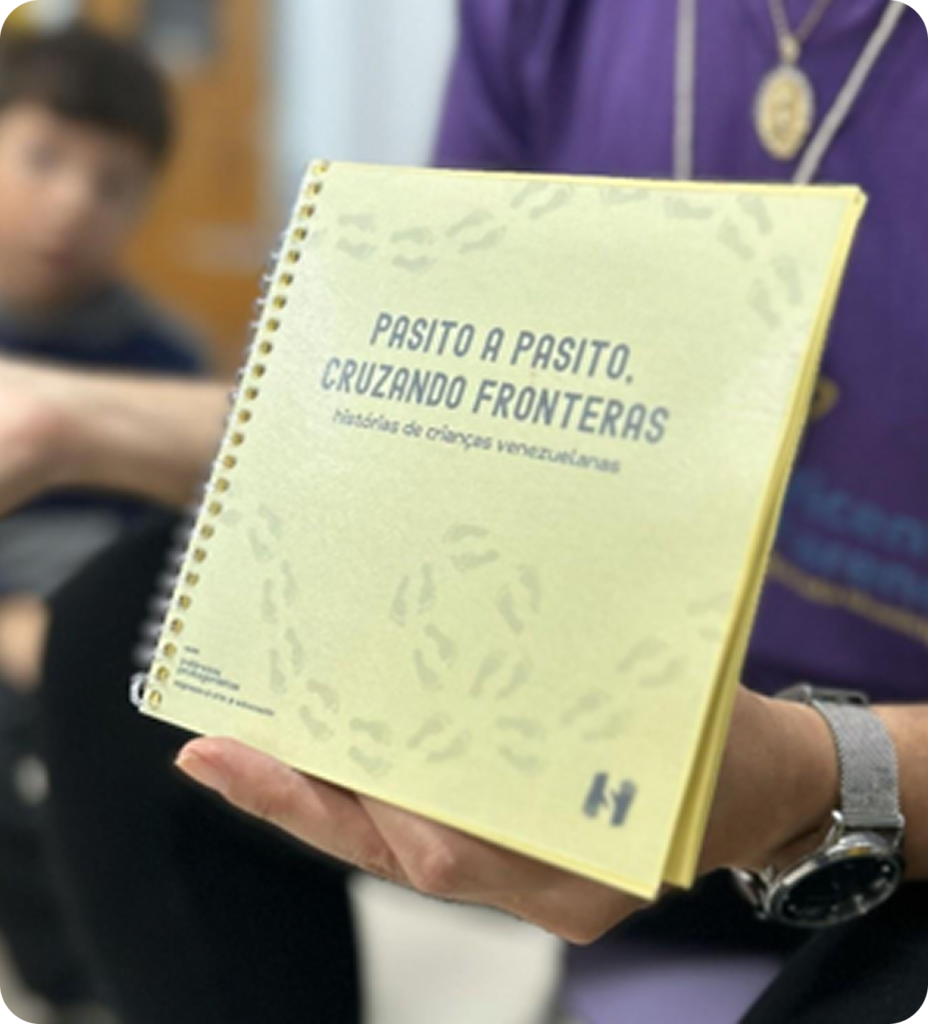
The Gardens of Refugee and Migrant Childhoods initiative is an innovative action developed in October 2025, marking Children’s Month. It is grounded in the recognition of refugee and migrant children as knowledge holders, agents of transformation, and guardians of sustainable, inclusive, and diverse futures.
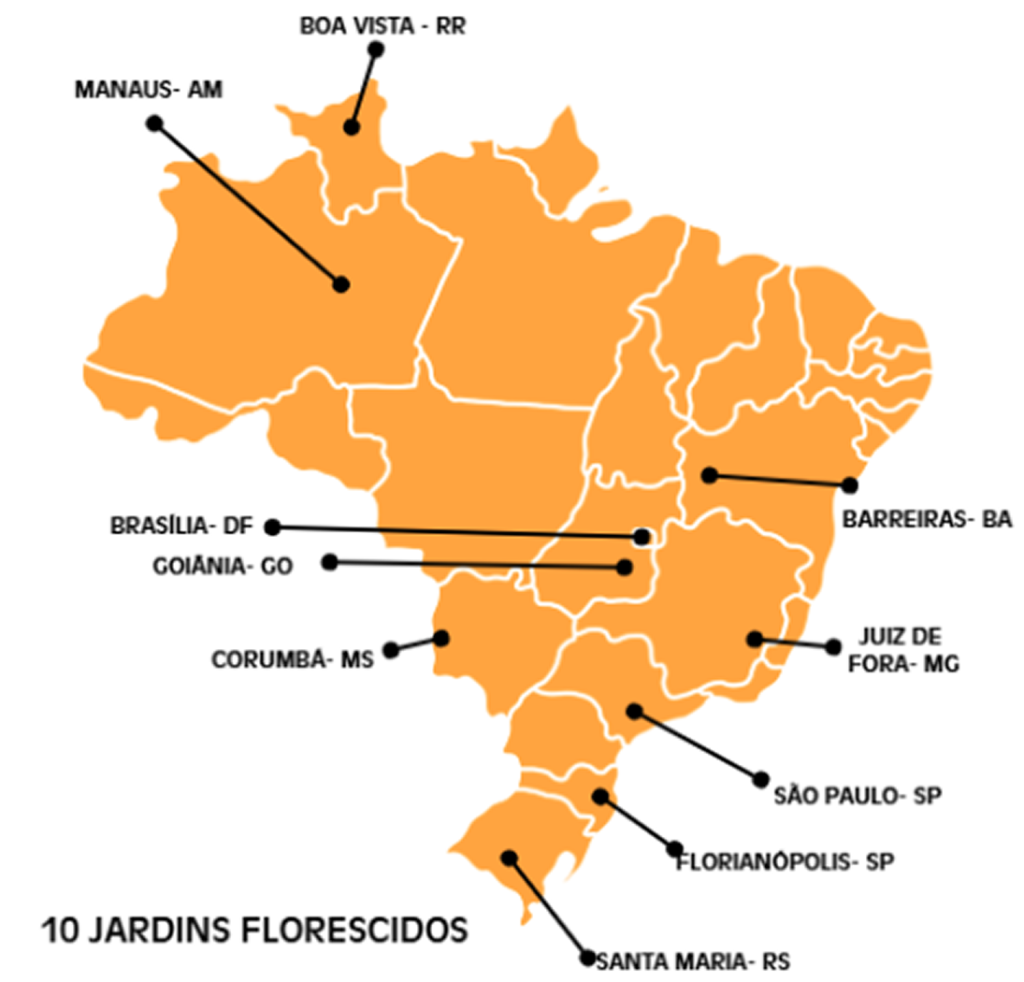
Ten localized actions were implemented across five Brazilian biomes, in schools, reception centers, and civil society organizations across all five regions of the country. The initiative reached over 300 children, representing nine different nationalities, and engaged more than 30 institutions.
Participating institutions were strategically located across regions:
North Region: Espaço Saber (NGO) in Boa Vista (Roraima) and Waldir Garcia Municipal Elementary School in Manaus (Amazonas);
Northeast Region: Manoel Rocha Filho Municipal School in Barreiras (Bahia);
Central-West Region: Casa Bom Samaritano (Reception Center) in Brasília (Federal District), Camila Scaliz Figueiredo Municipal School in Aparecida de Goiânia (Goiás), and Instituto Moinho Cultural (NGO) in Corumbá (Mato Grosso do Sul);
Southeast Region: João Mendonça Falcão Municipal Early Childhood School in São Paulo (São Paulo) and Georg Rodenbach Municipal School in Juiz de Fora (Minas Gerais);
South Region: Círculos de Hospitalidade (NGO) in Florianópolis (Santa Catarina) and Vicente Farecena Municipal School in Santa Maria (Rio Grande do Sul).
Gardens of Refugee and Migrant Childhoods
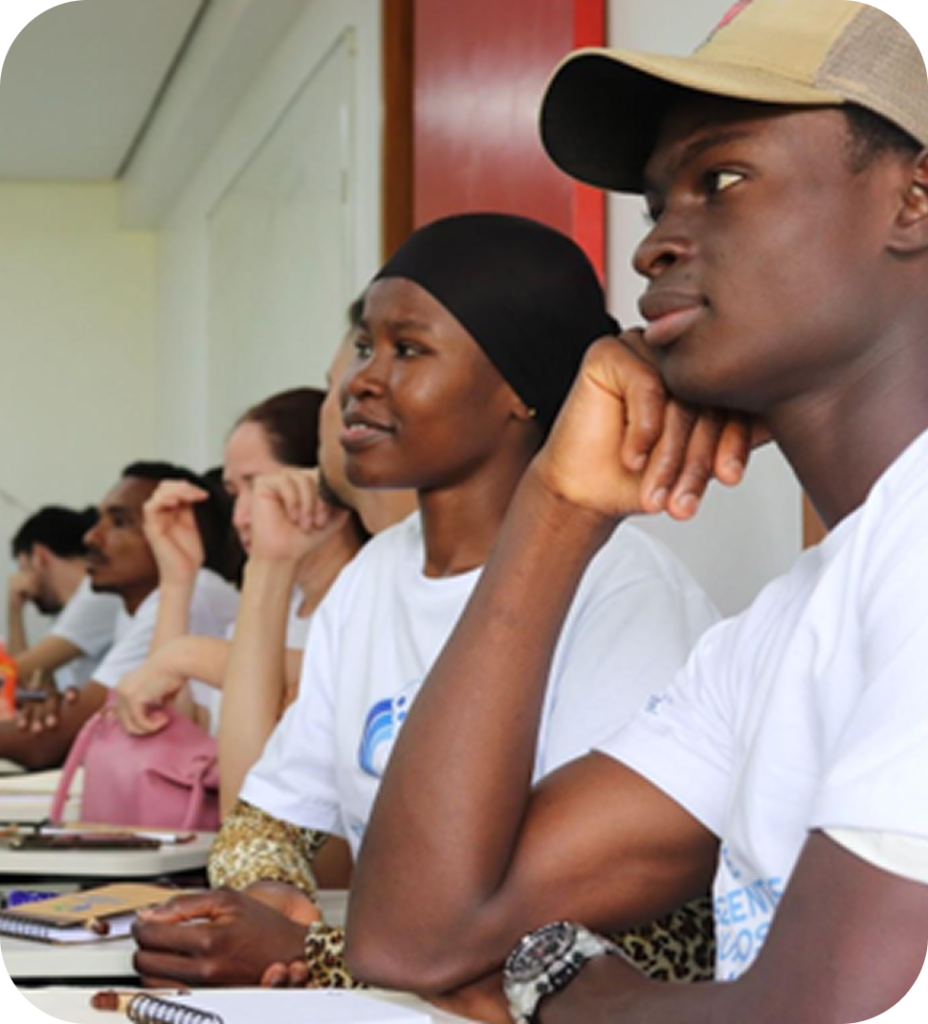
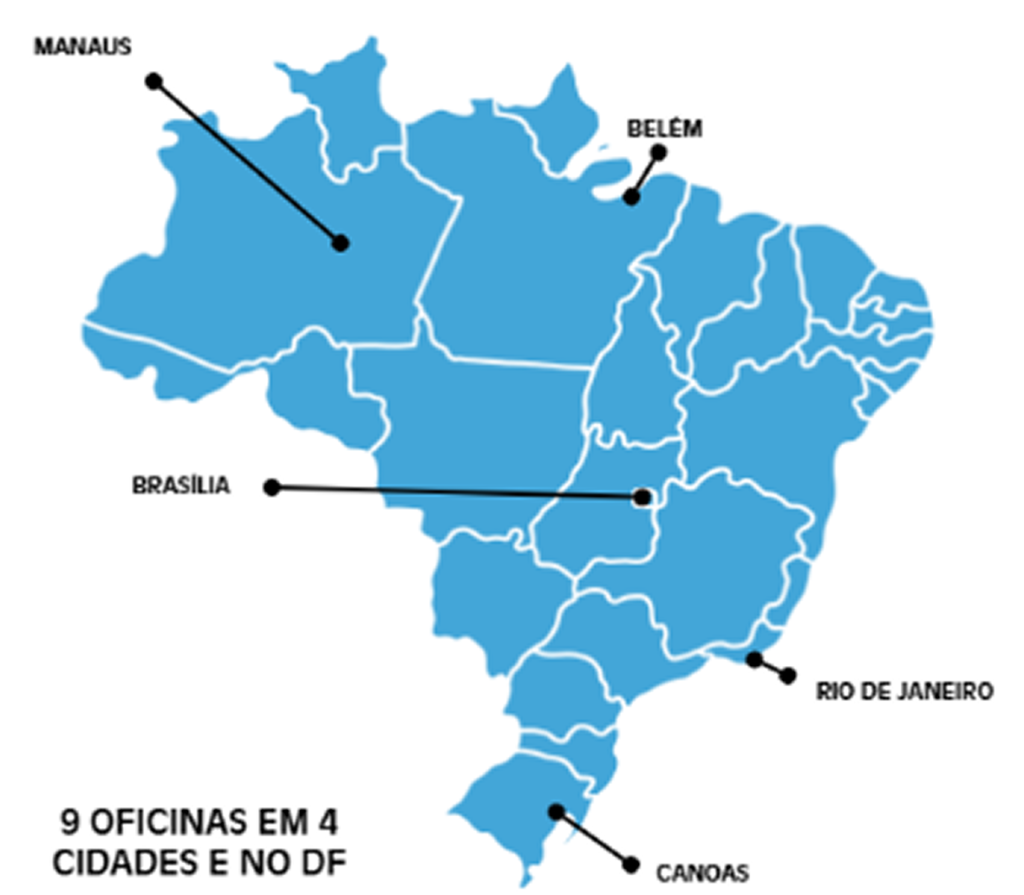
The workshops “Pathways to Climate Justice and Human Mobility” represent a large-scale training initiative that reached 300 participants across four regions of Brazil.
These activities focused on training, capacity-building, and awareness-raising on climate change and human mobility. The cities reached include:
North Region: Belém (Pará) and Manaus (Amazonas);
Central-West Region: Brasília (Federal District);
Southeast Region: Rio de Janeiro (Rio de Janeiro);
South Region: Canoas (Rio Grande do Sul);
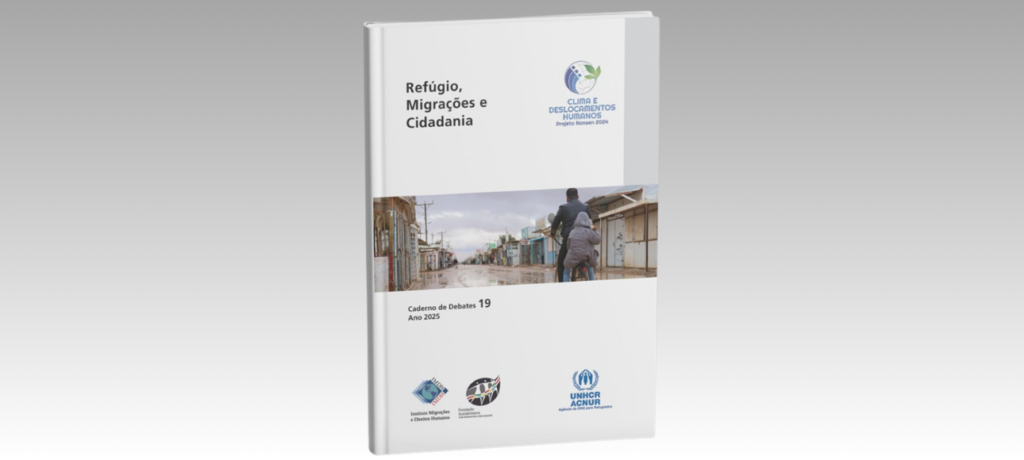
Debate Notebook
Refuge, Migration and Citizenship – Issue No. 19 (2025)
The Debate Notebook: Refuge, Migration and Citizenship is a longstanding publication of IMDH, bringing together critical reflections, academic research, and practical experiences on human mobility, rights, and citizenship for nearly two decades.
Issue No. 19, published in 2025, holds a unique place in this trajectory. For the first time, the publication is directly linked to a major international recognition: the 2024 Nansen Global Refugee Award granted by UNHCR to Sister Rosita Milesi.
This edition inaugurates and underpins the Climate and Human Mobility project, transforming the award into action, critical thought, and collective mobilization.
The publication opens with an original interview with Sister Rosita Milesi, recipient of the 2024 Nansen Award. More than a biographical account, the text constitutes a historical document in which personal trajectory, spirituality, political commitment, and human rights advocacy converge.
Throughout the interview, Rosita Milesi reaffirms the central role of education, reception, and collective action. She emphasizes that refugees, migrants, and displaced persons should not be seen as passive victims, but as rights-holders and agents of transformation
Her statement—“the path is made by walking, quoting the Spanish poet Antonio Machado ”—runs throughout the publication and serves as a guiding principle for the project it inspires..
The video “Climate Justice and Human Mobility” presents a visual journey through interconnected worlds. The narrative begins in a tropical forest where life thrives in dynamic balance—a riverside family navigates canoes, monkeys gather fruit, butterflies dance over reflective waters, and nature exists in its fullness.
This harmony is abruptly disrupted by deforestation, transforming living trees into commodities, intact forests into barren landscapes, and community hope into forced displacement.
Each subsequent scene reveals the interconnected nature of exploitation: trees cut in remote areas feed industrial production in polluted cities; deforestation that enriches a few generates drought that displaces many; and extractive systems drive the climate changes that devastate entire communities.